


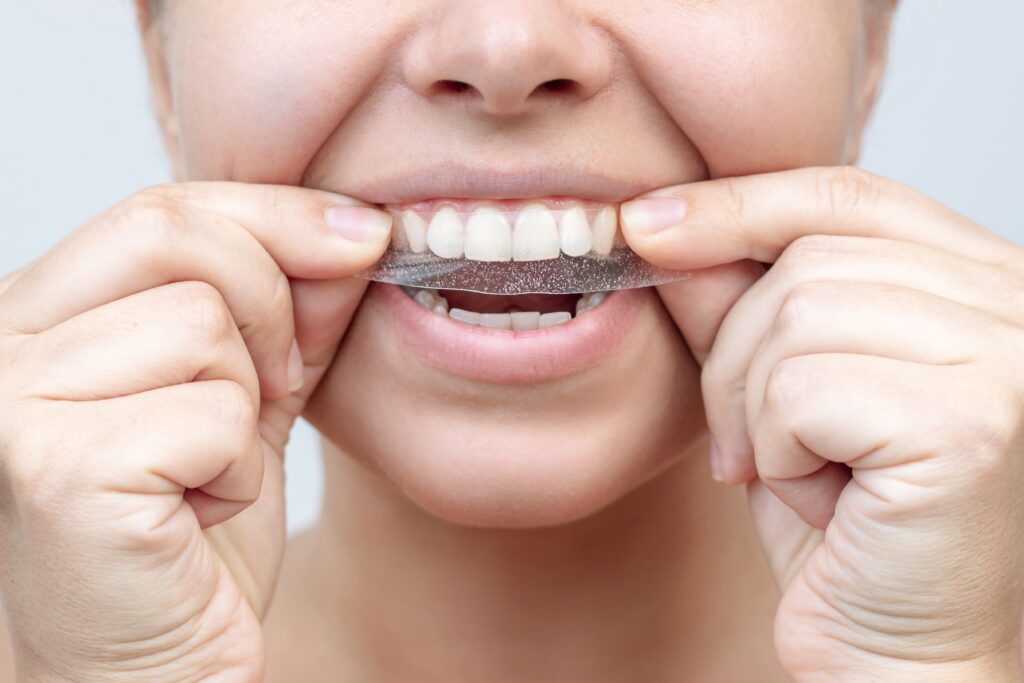
Whitening strips are one of the most popular ways to brighten a smile without stepping into a dental office, and it is natural to wonder whether they are actually safe to use. The good news is that when used as directed, whitening strips are generally considered safe for most people, though there are some situations, like wearing braces or aligners, having certain dental restorations, or being a teenager, where it is worth checking with a professional first.
At Embrace Your Smile, we want our patients in Santa Clarita and Valencia to feel confident about the choices they make for their smiles, whether that means using an over the counter product or coming in for professional care. Call us today at (661) 259-2388 if you have questions about whitening while in orthodontic treatment.
Teeth Whitening Strips Are Usually Safe When Used Correctly
For most healthy adults with natural, undamaged teeth, whitening strips used according to the product instructions are considered a safe way to lighten tooth color.
The American Dental Association notes that many whitening products rely on ingredients like hydrogen peroxide or carbamide peroxide, and side effects like temporary tooth sensitivity or mild gum irritation are common but usually resolve once the treatment stops.
Choosing a product with the ADA Seal of Acceptance can help you feel more confident that the product has been evaluated for safety and effectiveness.
How Whitening Strips Work
Whitening strips are thin, flexible strips coated with a peroxide based whitening gel that adheres to the surface of the teeth. The peroxide works by breaking down stain molecules within the enamel, gradually lightening the appearance of the tooth over repeated applications.
Strips are typically worn for a set amount of time each day over a period of one to two weeks, depending on the product and the level of whitening desired.
Common Side Effects of Whitening Strips
Because of the nature of whitening strips, there are some common side effects to keep an eye on but aren’t generally cause for concern.
Tooth Sensitivity
Temporary tooth sensitivity is one of the most commonly reported side effects of whitening strips, particularly to cold or hot temperatures. This sensitivity is usually mild and tends to fade once the whitening treatment is finished, though some people are more prone to it than others.
Gum Irritation
If a whitening strip does not fit properly or comes into contact with the gum tissue, it can cause temporary irritation, redness, or a mild burning sensation. This is generally short-lived, but strips should be applied carefully to avoid unnecessary contact with the gums.
Uneven Whitening
Because whitening strips only cover part of the tooth surface, some patients notice uneven results, particularly along the edges of the strip or in areas that are harder to reach. This is more likely for patients with braces, since the brackets cover a portion of each tooth and prevent the whitening gel from reaching that area evenly.
Can Whitening Strips Damage Enamel?
When used according to the product directions, whitening strips are not generally understood to cause permanent damage to healthy enamel.
However, overusing whitening products, leaving strips on longer than directed, or using them more frequently than recommended can increase the risk of sensitivity and irritation. Following the instructions on the package, and avoiding the temptation to whiten more often for faster results, is the best way to minimize any risk.
Who Should Be Careful With Whitening Strips
Some people should be more careful using whitening strips, especially if they’re being paired with other dental work.
Patients With Braces
Whitening strips are not recommended for patients currently wearing traditional braces, since the brackets cover part of the tooth and can lead to uneven whitening once the brackets are eventually removed.
Patients interested in whitening are generally better off waiting until after their adult braces or braces treatment is complete.
Patients Using Clear Aligners
Patients using clear aligners should check with their orthodontist before using whitening strips, since the fit of the aligner trays and any sensitivity from whitening can interact with the treatment plan in ways that are worth discussing beforehand.
Teens and Younger Patients
Whitening products are generally intended for adult use, and younger patients should speak with a dentist or orthodontist before starting any whitening routine. The American Academy of Pediatric Dentistry offers helpful resources for parents who have questions about whitening and other cosmetic dental treatments for children and teens.
Patients With Crowns, Veneers, Fillings, or Bonding
Whitening strips only lighten natural tooth enamel, which means crowns, veneers, fillings, and bonded restorations will not change color the same way surrounding natural teeth do. This can sometimes result in a noticeable difference in shade between a restoration and the newly whitened natural teeth around it, which is worth discussing with a dental professional before starting treatment.
Whitening Strips vs. Professional Whitening
Whitening strips offer a convenient, lower cost option for patients looking for a modest improvement in tooth color, while professional whitening performed in a dental office typically uses a higher concentration of whitening agent under professional supervision.
Professional treatments can also be customized to a patient's specific needs and monitored for sensitivity or other side effects along the way, which can be a meaningful advantage for patients with more sensitive teeth or specific cosmetic goals.
Tips for Using Whitening Strips Safely
- Follow the product instructions exactly, including recommended wear time and frequency
- Avoid leaving strips on longer than directed, even if you want faster results
- Stop use if you experience significant pain, burning, or ongoing gum irritation
- Choose a product with the ADA Seal of Acceptance when possible
- Talk to your orthodontist first if you are currently in braces or aligner treatment
- Avoid whitening if you have untreated cavities or active gum disease
When to Talk to an Orthodontist or Dentist
If you are currently in orthodontic treatment, have dental restorations, are a parent considering whitening for a teenager, or experience ongoing sensitivity or irritation from a whitening product, it is worth checking with a professional before continuing. A quick conversation can help you understand whether whitening fits appropriately into your treatment plan and timeline.
Schedule a Visit With Embrace Your Smile
Whether you are exploring whitening options, currently in treatment, or simply have questions about the best way to care for your smile, our team at Embrace Your Smile is here to help. Dr. LeCornu and Dr. Asinas bring more than 75 combined years of orthodontic experience to every patient's care, and along with a team of 22 skilled assistants, they have helped transform more than 9,000 smiles and earned the title of Santa Clarita's "Best Orthodontist" for 15 years running.
As your Santa Clarita orthodontist and Valencia orthodontist, we want to make sure whitening decisions fit safely within your overall orthodontic treatment options, without disrupting your progress or your schedule. Our team works hard to keep appointments running on time, because we understand busy families do not have time to spend waiting in a lobby.
Contact Embrace Your Smile at (661) 259-2388 to talk through your questions and find the best time for a free consultation.