


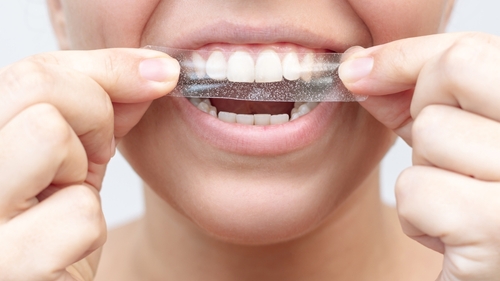
Teeth whitening strips have become one of the most popular at-home whitening options, but many people wonder whether the peroxide-based formula sitting against their teeth for extended periods is actually doing more harm than good. The short answer is that whitening strips are generally safe when used as directed, though understanding how they work and who should be cautious can help you get brighter teeth without unnecessary risk.
At Embrace Your Smile, we help patients understand their whitening options and make sure their smile stays healthy along the way. If you have questions about whether whitening strips are right for you, call (661) 259-2388 to talk with our team.
The Short Answer: Yes, When Used Properly
Whitening strips are generally considered safe for most healthy adults when used according to the product instructions. Problems typically arise from overuse, using strips too frequently, or using them despite an underlying dental issue that should have been addressed first. Used correctly, whitening strips can be an effective and low-risk way to brighten your smile.
How Teeth Whitening Strips Work
Whitening strips use a peroxide-based bleaching agent, usually hydrogen peroxide or carbamide peroxide, applied to a thin, flexible strip that you press against your teeth.
The peroxide penetrates the enamel and breaks down the stain-causing compounds within the tooth, gradually lightening its overall color. Most strips are worn for a set period of time, often somewhere between 20 and 60 minutes, and used daily over a series of days or weeks depending on the product.
Do Whitening Strips Damage Your Enamel?
Used as directed, whitening strips are not generally considered damaging to enamel. The bleaching process temporarily makes enamel more porous, which is part of how the peroxide reaches stain molecules within the tooth, but enamel typically remineralizes and returns to its normal state afterward.
Overuse, however, meaning using strips more often or for longer than recommended, can increase the risk of enamel wear and other complications over time. This is part of why following the product's instructions matters just as much as the whitening ingredient itself.
Common Side Effects to Watch For
Even when used properly, whitening strips can cause some temporary side effects.
Tooth Sensitivity
Increased sensitivity to hot and cold is one of the most commonly reported side effects of whitening strips. This sensitivity is usually temporary and tends to improve once treatment is completed, though it can be uncomfortable during the whitening process itself.
Gum Irritation
Gum irritation can occur if a whitening strip doesn't fit properly or comes into contact with the gum tissue rather than staying on the tooth surface. This irritation is usually mild and resolves on its own once the strip is removed or repositioned correctly.
Who Should Be Cautious or Avoid Whitening Strips
Certain groups should be cautious about using whitening strips or should check with a dentist before starting:
- Minors, since whitening products are generally formulated and tested for adult use
- Pregnant or breastfeeding individuals, out of general caution around cosmetic dental treatments
- Anyone with existing dental work, such as crowns, veneers, or fillings, since whitening strips don't change the color of these materials and can create an uneven appearance
- Anyone with untreated cavities, gum disease, or significant tooth sensitivity, since whitening can aggravate an existing dental issue
- Anyone unsure whether whitening is appropriate for their specific dental situation
Call Embrace Your Smile at (661) 259-2388 before starting an at-home whitening routine if you fall into any of these categories, so we can help you find the safest option for your smile.
How to Use Whitening Strips Safely
To get the best results while minimizing your risk of side effects, follow these steps:
- Read and follow the manufacturer's instructions exactly, including recommended wear time
- Avoid using whitening strips more frequently than directed on the packaging
- Brush your teeth gently before applying strips, but avoid brushing immediately afterward
- Keep strips away from your gums as much as possible during application
- Avoid combining multiple whitening products at the same time
- Stop use and consult a dentist if you experience significant pain, unusual sensitivity, or gum irritation that doesn't improve
Whitening Strips vs. Professional Whitening
Whitening strips can produce noticeable results for many people, but professional whitening treatments generally offer a few advantages.
Professional treatments use a higher concentration of whitening agent, applied under a dentist's supervision, which allows for both stronger results and closer monitoring for sensitivity or other issues along the way.
A dentist can also identify whether whitening is appropriate for your specific teeth beforehand, which helps avoid surprises like uneven results around existing dental work. Whitening strips remain a reasonable option for many people, particularly for maintenance between professional treatments, but the level of control and customization is generally greater with in-office or dentist-supervised whitening.
Talk to Embrace Your Smile About Safe Whitening
Whitening strips can be a safe and effective option for many patients, but they aren't the right fit for everyone, and getting the most out of any whitening treatment starts with understanding your own dental health. At Embrace Your Smile, we can help you figure out whether at-home strips, a professional treatment, or a combination of the two makes the most sense for your smile, and we'll make sure any whitening plan works with your existing dental history rather than against it.
Whether you're interested in our teeth whitening services or want to explore broader cosmetic dentistry options, our team is ready to help you get a brighter smile safely. Contact Embrace Your Smile at (661) 259-2388 today to schedule a consultation.
Frequently Asked Questions
Do whitening strips really damage teeth?
Used as directed, whitening strips are not generally considered damaging to your teeth. The temporary increase in enamel porosity during treatment typically resolves on its own. Damage becomes more of a concern with overuse or improper use, which is why following product instructions matters.
How often can I safely use whitening strips?
This depends on the specific product, so it's best to follow the instructions provided with your whitening strips. Using them more frequently than recommended increases your risk of sensitivity and other side effects without necessarily improving your results.
Why do my teeth hurt after using whitening strips?
Tooth sensitivity is one of the most common side effects of whitening treatments, caused by the peroxide temporarily affecting the tooth's outer layer. This sensitivity is usually mild and temporary, but if it's significant or doesn't improve, it's worth checking in with a dentist.
Are professional whitening treatments safer than strips?
Both can be safe when used appropriately, but professional treatments offer the added benefit of dentist supervision, which allows for closer monitoring and adjustments if sensitivity or other issues come up during treatment.